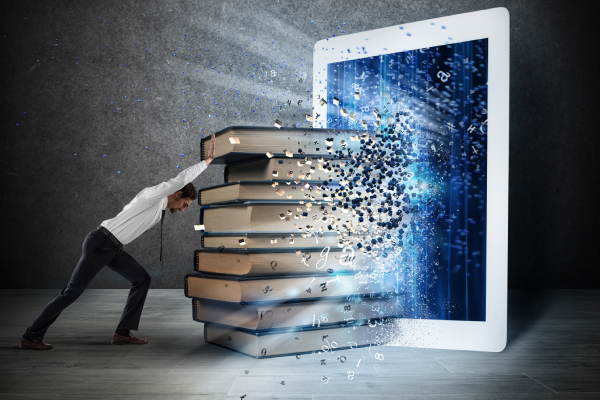
With technology reshaping modern education, digital libraries have emerged as evolutionary successors to traditional libraries. These platforms provide convenient access to vast information resources through remote access, eliminating geographical and time constraints. For lifelong learners balancing professional commitments, this 24/7 availability proves invaluable for continuous learning and skill development.
E-libraries offer three key advantages over physical counterparts:
- Instant retrieval of academic journals and industry publications
- Cross-device compatibility for mobile learning
- Customizable search filters for efficient research
As workforce demands evolve, digital libraries maintain relevance through curated content updates and multimedia formats. The subsequent sections detail how these repositories enhance professional development, academic research, and personal enrichment.
Unparalleled Access to a World of Resources
Through organized repositories, digital libraries provide access to extensive digital resources, including e-books, academic journals, research papers, and multimedia materials. Unlike physical libraries constrained by shelf space, these platforms leverage cloud storage to offer virtually unlimited content variety – from historical archives to cutting-edge industry publications.
Furthermore, digital libraries operate 24/7, enabling users worldwide to access materials anytime via smartphones, tablets, or computers. This constant availability proves particularly valuable for professionals conducting research during non-traditional hours or students collaborating across time zones.
Three key advantages demonstrate their superiority:
- Eliminates physical space limitations, enabling expansive collections
- Allows simultaneous access for multiple users without wait times
- Supports diverse learning formats through audiobooks and video content
One standout advantage of modern digital libraries is their capacity for concurrent access. While traditional libraries must limit popular titles to single users, digital platforms permit unlimited simultaneous checkouts – ensuring immediate access to trending resources and academic essentials alike.
With such vast collections readily available, these repositories also provide advanced tools for efficient information retrieval – a capability we’ll explore in detail next.
Streamlined Information Retrieval for Efficient Learning
Digital libraries provide users with powerful search tools that allow them to quickly and easily find the resources they need. This efficient information retrieval system saves significant time and effort, enabling learners to focus on research rather than resource hunting. These platforms maintain organized digital collections through automated library management systems while preserving fragile historical materials through careful digitization.
Three key features enhance search capabilities:
- Metadata management systems that catalogue resources with precision
- Keyword-based search functions with automatic term expansion
- Ranking algorithms that surface the most relevant results first
Digital preservation efforts ensure rare materials remain accessible for future generations. Institutions protect cultural heritage while expanding access by converting physical artefacts into digital formats. Combining robust search tools and meticulous metadata management creates an intuitive experience – even novice users can locate specialized resources within seconds.
As collections grow, search features evolve in sophistication. Modern digital libraries now employ AI-driven recommendations and predictive search patterns, anticipating user needs before fully articulating them. This progression in search technology directly supports lifelong learning goals by reducing administrative friction in knowledge acquisition.
Beyond streamlining research processes, digital libraries offer additional advantages in cost-effectiveness and environmental sustainability – benefits we’ll examine in our next section.
Cost-Effectiveness and Environmental Benefits of Digital Libraries
One of the main advantages of a digital library is its cost-effectiveness compared to traditional libraries. By eliminating physical infrastructure requirements and staffing costs, these platforms significantly reduce operational expenses while maintaining comprehensive resource access. This approach allows institutions to allocate budgets toward expanding digital collections rather than facility maintenance.
Digital libraries contribute to environmental sustainability through reduced paper consumption and minimized resource waste. Unlike physical libraries requiring constant material replenishment, digital platforms preserve forests while maintaining permanent access to information resources. This eco-friendly model aligns with global sustainability initiatives without compromising educational quality.
Subscription-based models enhance affordability through:
- Unlimited access to premium academic resources
- Reduced per-user costs through bulk licensing
- Flexible payment plans for individual learners
For instance, many platforms offer tiered pricing structures, making specialized journals and courses accessible to budget-conscious users. This financial accessibility removes barriers for lifelong learners seeking professional development opportunities.
Modern digital libraries transcend static repositories by offering dynamic features like real-time content updates and interactive learning tools. These platforms continuously evolve to meet changing educational needs while maintaining cost efficiency and environmental responsibility – key considerations for today’s learners.
Read More : Embrace the Lifelong Benefits of Reading at Any Age
Embracing the Future of Learning with Digital Libraries
In today’s digital age, the main advantages of a digital library make it an indispensable resource for continuous personal and professional development. These platforms empower lifelong learning through 24/7 access to vast knowledge repositories, enabling skill enhancement without compromising daily responsibilities.
Three key factors ensure their growing importance:
- Strategic integration with emerging technologies like AI enhances search accuracy
- Cloud-based preservation protects cultural heritage while expanding access
- Personalized learning paths adapt to individual educational needs
As artificial intelligence and machine learning evolve, digital libraries will increasingly offer predictive search functions and automated research assistance. This technological integration ensures these platforms remain essential for both academic pursuits and workplace skill development.
For lifelong learners, digital libraries transform time constraints into growth opportunities through:
- Mobile-optimized learning modules
- Cross-disciplinary resource discovery
- Real-time collaboration features
Readers seeking continuous education should explore digital library platforms to experience firsthand how these resources support evolving learning needs while preserving humanity’s collective knowledge.